
Transform Your Mental Health Through Nutrition
Discover how proper nutrition directly impacts stress levels, mental clarity, and overall emotional resilience. Our research-backed approach reveals the powerful connection between what you eat and how you feel.
The information on this site is for educational purposes only and does not constitute medical advice. Always consult a qualified healthcare professional before making health decisions.
Key Nutritional Pillars for Stress Relief
Omega-3 Fatty Acids
Omega-3 fats found in fish, flaxseed, and walnuts support brain function and reduce inflammation. These essential nutrients help regulate neurotransmitters that control mood and emotional stability. Consistent intake promotes mental clarity and emotional resilience during stressful periods.
Antioxidant-Rich Foods
Berries, leafy greens, and dark chocolate contain powerful antioxidants that combat oxidative stress in the brain. These compounds protect neural cells from damage caused by physical and emotional stress. Including colorful produce in daily meals strengthens the brain's natural defense systems.
Balanced Carbohydrates
Whole grains, legumes, and starchy vegetables provide steady energy and promote serotonin production. Stable blood sugar levels prevent mood swings and energy crashes that amplify stress responses. Complex carbs create a foundation for sustained emotional balance throughout the day.
B-Complex Vitamins
B vitamins found in eggs, nuts, and whole grains regulate stress hormone production and support nervous system function. These nutrients are essential cofactors in energy metabolism and neurotransmitter synthesis. Adequate B-vitamin intake enhances the body's capacity to manage psychological demands.
Mineral Support
Magnesium, zinc, and calcium play crucial roles in muscle relaxation and nerve signal transmission. These minerals help calm the nervous system and reduce physical tension associated with stress. Incorporating magnesium-rich foods like pumpkin seeds improves sleep quality and emotional regulation.
Quality Protein
Lean meats, legumes, and plant-based proteins provide amino acids needed for neurotransmitter production. Adequate protein intake supports dopamine and norepinephrine synthesis, which enhance focus and motivation. Quality protein sources stabilize blood sugar and sustain mental energy during demanding periods.
The Science Behind Food and Stress
The connection between nutrition and stress management is deeply rooted in neuroscience and physiology. When your body faces stress, it demands specific nutrients to maintain emotional stability and cognitive performance. Research consistently demonstrates that dietary patterns significantly influence cortisol levels, anxiety responses, and overall mental resilience.
Your gut-brain axis—the bidirectional communication system between digestive health and mental function—means that food choices directly affect neurotransmitter production. A nutrient-dense diet supports beneficial gut bacteria, which synthesize compounds that influence mood, focus, and emotional regulation. This emerging science validates the traditional wisdom that nourishing food supports mental wellbeing.
By understanding these mechanisms, you can make informed dietary choices that strengthen your mental health foundation and enhance your capacity to navigate life's challenges with greater ease and clarity.
Read Detailed Nutrition Tips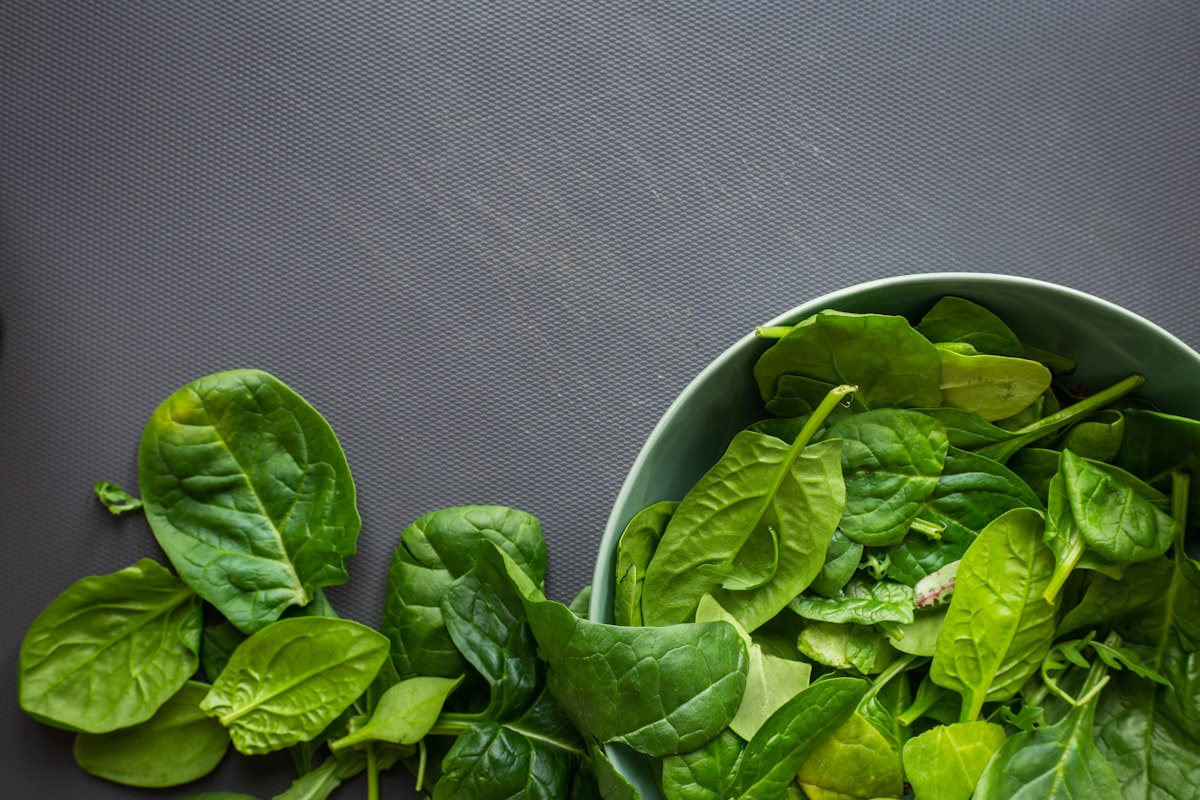
Stress-Relief Meal Inspiration

Mediterranean Omega-3 Bowl
A vibrant combination of wild salmon, leafy greens, nuts, and olive oil that delivers powerful omega-3 fatty acids. This meal supports brain health and creates sustained mental clarity throughout your day.
Learn More →
Antioxidant Berry Blend
A nutrient-dense smoothie combining blueberries, spinach, and almond butter that combats oxidative stress in the brain. Perfect for breakfast or a stress-relief snack that boosts mental energy.
Learn More →
Balanced Grain Buddha Bowl
Quinoa, roasted vegetables, and legumes create a complete amino acid profile with sustained energy release. This meal stabilizes blood sugar and supports steady serotonin production for emotional balance.
Learn More →
Magnesium-Rich Seed Mix
Pumpkin seeds, sunflower seeds, and dark chocolate provide concentrated magnesium and zinc for nervous system calm. This portable snack helps reduce physical tension and promotes relaxation during stressful hours.
Learn More →
B-Vitamin Leafy Green Salad
Kale, spinach, and broccoli deliver essential B-complex vitamins that support stress hormone regulation. This energizing salad enhances nervous system function and builds resilience against daily pressures.
Learn More →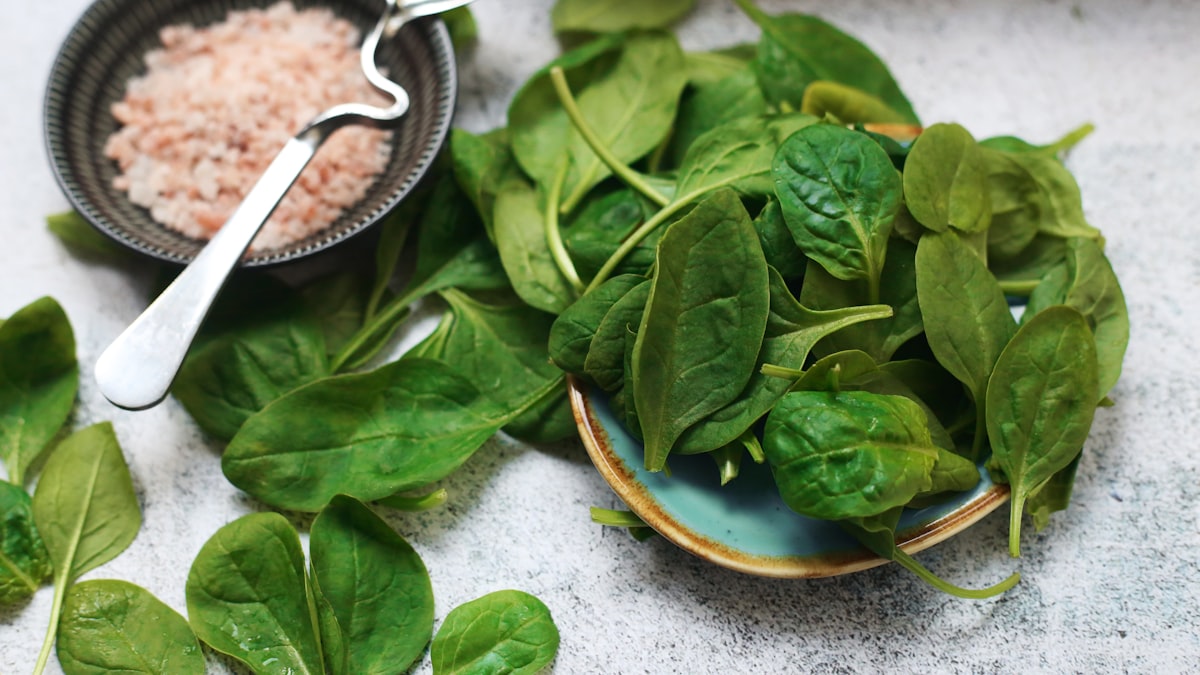
Calming Herbal Tea Ritual
Chamomile, passionflower, and lavender tea create a mindful moment that supports relaxation and sleep quality. This beverage ritual combines hydration with plant compounds that ease nervous system tension.
Learn More →Your Nutrition Transformation Journey
Assessment and Awareness
Begin by evaluating your current eating patterns and their connection to your stress levels. Keep a simple food-mood journal for one week to identify which meals energize you and which leave you feeling drained. This foundational awareness helps you understand your unique nutritional needs and stress triggers.
Gradual Implementation of Key Foods
Introduce nutrient-dense foods slowly into your daily routine, starting with one meal per day. Add omega-3 sources like fish or walnuts, increase leafy greens, and incorporate whole grains systematically. This gradual approach allows your body and palate to adapt naturally while preventing overwhelming dietary shifts.
Monitor Mental and Physical Responses
Track changes in your energy levels, sleep quality, mood stability, and stress resilience over 3-4 weeks. Pay attention to how you feel during challenging situations and note improvements in focus or emotional calm. This feedback loop helps you identify which foods have the most positive impact on your mental state.
Build a Sustainable Stress-Relief Nutrition Plan
Create a personalized meal plan that combines the foods and patterns that work best for you. Focus on consistency rather than perfection, aiming for nutritious choices 80% of the time while allowing flexibility. Develop a simple weekly meal prep routine that makes healthy eating convenient and stress-free itself.
Frequently Asked Questions
How quickly will I notice changes in stress levels from dietary improvements?
Most people report noticing improved mood and reduced anxiety within 7-10 days of consistent nutritious eating. Energy improvements typically appear within 2-3 days, while deeper changes in stress resilience develop over 3-4 weeks. Individual timelines vary based on baseline diet quality and stress levels, but consistency matters more than speed.
Can nutrition alone manage high stress levels?
Nutrition provides a powerful foundation for stress management, but works best alongside other practices like movement, sleep, and relaxation techniques. Good nutrition strengthens your nervous system's capacity to handle stress, making other stress-relief strategies more effective. Think of it as building a resilience base rather than a standalone solution.
What if I have dietary restrictions or allergies?
The key stress-relief nutrients can be obtained from diverse sources. For example, if you cannot eat fish, plant-based sources like flaxseeds, chia seeds, and walnuts provide omega-3s. Leafy greens, legumes, and nuts offer flexibility within most dietary frameworks. Focus on the nutritional principles rather than specific foods to find options that work for your situation.
Is expensive organic food necessary for stress relief benefits?
No. The nutritional benefits of nutrient-dense foods like beans, frozen vegetables, seasonal produce, and eggs are available at all price points. Consistency and variety matter more than organic certification or premium products. Budget-friendly options like canned beans, frozen berries, and oats provide excellent stress-relief nutrients when chosen mindfully.
How do I avoid nutritional deficiencies during dietary changes?
Aim for dietary diversity across all food groups—different colored vegetables, various protein sources, multiple grain types, and healthy fats. This natural variety prevents single-nutrient gaps. Simple changes like adding spinach to smoothies, nuts to salads, and beans to soups layer nutritional density. If you have specific concerns, consult our detailed nutrition articles.
What role does hydration play in stress relief nutrition?
Hydration is foundational to stress resilience—even mild dehydration increases cortisol production and intensifies anxiety responses. Drinking consistent water throughout the day supports nutrient transport, nervous system function, and mood stability. Aim for clear urine as a hydration indicator, and remember that herbal teas, water-rich foods like cucumber and celery, and other beverages contribute to total hydration.
What Our Readers Say
"After implementing the nutrition strategies from your articles, I noticed my anxiety decreased noticeably within two weeks. The practical meal suggestions made it easy to start, and I finally understand why certain foods affect my mood. This has genuinely changed how I approach stress management."
Sarah Wijaya
Jakarta
"I was skeptical that food could really impact my stress levels, but your science-based explanations convinced me to try. My sleep improved, my energy is more stable, and I feel mentally sharper. The meal inspiration gallery gave me ideas I actually want to eat."
Budi Santoso
Surabaya
"As someone managing work stress, finding practical nutrition guidance was exactly what I needed. The step-by-step journey framework helped me implement changes gradually without feeling overwhelmed. I now have sustainable habits that support my mental health daily."
Dewi Kusuma
Bandung
Ready to Explore Nutrition for Stress Relief?
Discover more evidence-based articles and practical strategies to support your mental wellbeing through proper nutrition.
For questions about our content, please contact our editorial team.