
Nourish Your Mind, Calm Your Body
Discover how proper nutrition becomes your most powerful tool for managing stress, improving mental clarity, and building lasting wellness. Our evidence-based approach connects what you eat with how you feel.
The information on this site is for educational purposes only and does not constitute medical advice. Always consult a qualified healthcare professional before making health decisions.
of stress symptoms relate to nutritional imbalance
time to prepare a stress-relief meal
typical timeline to notice dietary impact
nutrients proven to support calm focus

The Science Behind Food and Calm
Your brain and nervous system depend on specific nutrients to regulate stress hormones and maintain emotional balance. When nutrition is optimized, your body naturally produces more serotonin, dopamine, and GABA—the chemical messengers that promote relaxation and mental clarity.
Research shows that omega-3 fatty acids, B vitamins, magnesium, and amino acids directly influence how your brain processes stress. By choosing the right foods, you're not just feeding your body—you're rewiring your stress response at the neurological level.
- Balanced blood sugar: Prevents energy crashes that amplify anxiety
- Gut health: 90% of serotonin is produced in your digestive system
- Inflammation reduction: Lowers cortisol and promotes mental peace
Top 6 Foods That Calm Your Mind
These nutrient-dense foods are backed by research to reduce stress and support mental wellness
Fatty Fish
Salmon, sardines, and mackerel are rich in omega-3 fatty acids, which reduce inflammation in the brain and improve mood regulation. Just three servings per week can significantly lower cortisol levels.
Key nutrients: Omega-3s, vitamin D, selenium
Best for: Anxiety relief, emotional stability
Dark Leafy Greens
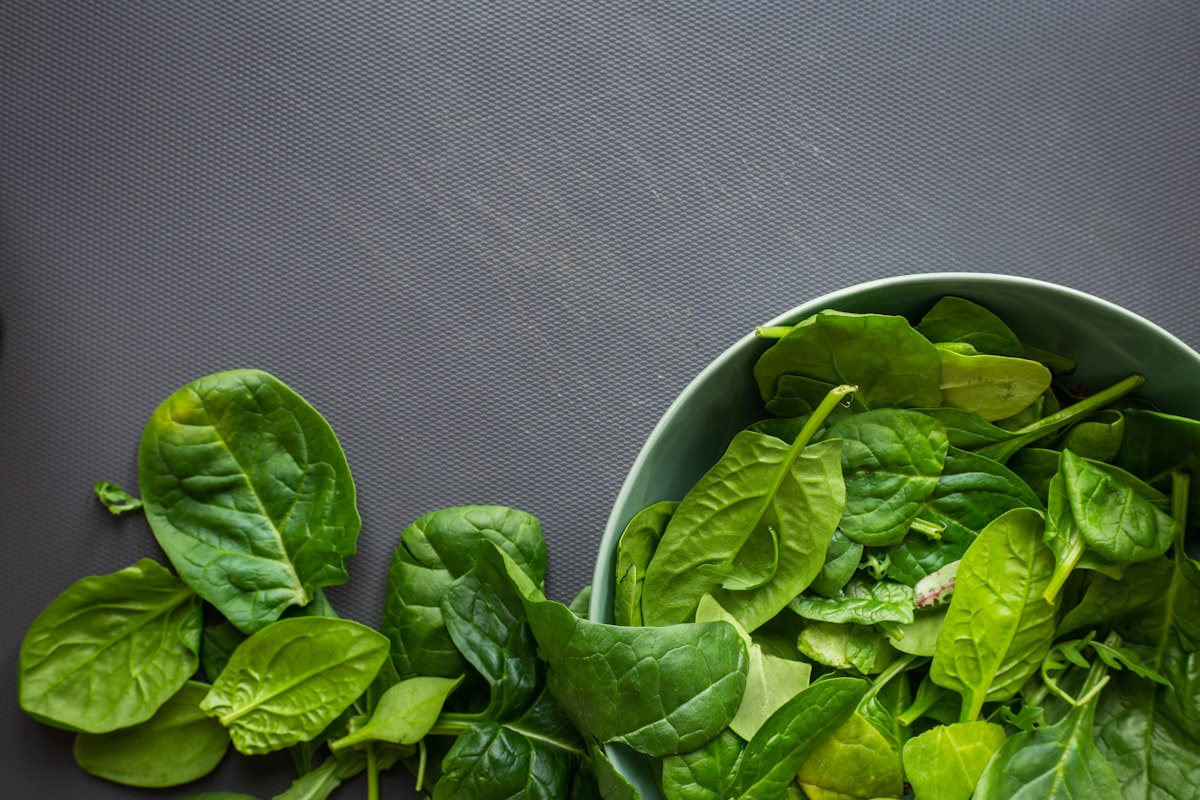
Spinach, kale, and chard contain magnesium, a mineral essential for relaxation and nervous system function. Magnesium deficiency is often linked to increased anxiety and poor sleep quality.
Key nutrients: Magnesium, folate, vitamins A & C
Best for: Sleep improvement, muscle tension relief
Nuts & Seeds
Almonds, walnuts, and pumpkin seeds provide amino acids like tryptophan, which your body converts to serotonin. They also stabilize blood sugar for sustained calm and focus.
Key nutrients: Tryptophan, zinc, magnesium
Best for: Mood elevation, stress hormone balance
Whole Grains
Oats, quinoa, and brown rice release serotonin-boosting compounds and provide B vitamins for energy and mood stability. They prevent blood sugar spikes that trigger anxiety.
Key nutrients: B vitamins, complex carbs, fiber
Best for: Mental energy, emotional regulation
Berries
Blueberries, strawberries, and raspberries are packed with antioxidants that protect brain cells from stress-induced damage. Their natural sugars provide quick mental clarity without crashes.
Key nutrients: Anthocyanins, vitamin C, antioxidants
Best for: Brain protection, mental focus
Herbal Teas
Chamomile, green tea, and passionflower tea contain compounds that promote relaxation and improve sleep. The ritual of tea-drinking itself adds a meditative, grounding element.
Key nutrients: L-theanine, GABA promoters, polyphenols
Best for: Evening relaxation, sleep quality
Your 4-Week Stress-Relief Journey
A simple framework to integrate stress-relieving nutrition into your daily life
Week 1: Awareness
Track your eating patterns and stress levels. Notice how different foods affect your mood and energy. Start adding one stress-relief food to each meal.
- Add fatty fish to your diet
- Keep a food-mood journal
- Drink herbal tea daily
Week 2: Optimization
Replace processed foods with whole alternatives. Introduce more dark leafy greens and nuts. Focus on three balanced meals per day to stabilize blood sugar.
- Eliminate sugary snacks
- Add greens to every lunch
- Eat nuts as snacks
Week 3: Stabilization
Build consistent eating habits. Your gut microbiome begins adapting. You may notice improved sleep, clearer thinking, and reduced anxiety symptoms.
- Lock in meal times
- Try whole grain varieties
- Add berries daily
Week 4: Integration
These habits become automatic. Your stress response improves noticeably. Plan long-term: choose your favorite stress-relief foods and create simple recipes you'll repeat.
- Develop favorite recipes
- Share success with others
- Plan next-month goals
Why Trust Our Nutrition Guidance
We provide research-backed information to help you make informed decisions about nutrition and stress relief
Evidence-Based Content
Every article and recommendation is grounded in peer-reviewed research and scientific understanding of nutrition's impact on mental wellness.
Practical Advice
We translate complex nutrition science into simple, actionable tips you can implement immediately in your daily life and meals.
Community Focused
Join a growing audience of readers exploring how nutrition shapes stress management and overall wellness in their own lives.
Local Relevance
Based in Indonesia, we understand regional food availability and cultural preferences in nutrition and wellness practices.
Transparent Standards
We clearly disclose our sources, methodology, and editorial standards so you can confidently assess the quality of our information.
Regularly Updated
Our content evolves as nutrition science advances, ensuring you always have access to the latest understanding of food and stress relief.
What Our Readers Say
Real experiences from people who applied our nutrition guidance to reduce stress and improve their wellbeing
"Your article on magnesium-rich foods changed everything for me. I started adding spinach and pumpkin seeds to my daily diet, and within three weeks my anxiety episodes dropped significantly. I finally understand how directly what I eat impacts my stress levels. Thank you for making the science so easy to understand."— Siti Rahardja, Bandung
5/5
"I've always struggled with afternoon energy crashes that made me irritable and stressed. After reading about whole grains and stable blood sugar, I switched to brown rice and oats. The difference in my mood and focus is remarkable. I no longer feel stressed by 3 PM, and I sleep so much better at night. This information is gold."— Ahmad Pratama, Jakarta
5/5
"Your 4-week nutrition guide is incredibly practical and not overwhelming. I appreciated that you explained WHY each food helps with stress, not just listing what to eat. I followed the progression and by week three I genuinely felt calmer. My family noticed the change too. I've bookmarked your site and share it with everyone."— Dewi Kusuma, Surabaya
5/5
"I was skeptical that nutrition could truly impact stress and anxiety, but your articles backed everything with research and science. The connection between omega-3s and mood, between gut health and serotonin—it all made sense. I've become intentional about eating fatty fish and berries, and I feel noticeably more emotionally balanced. This approach feels sustainable and real."— Rizki Hardianto, Medan
5/5
Get New Articles in Your Inbox
Subscribe to our newsletter for the latest research-backed tips on nutrition and stress relief, delivered every week.
We respect your privacy. Unsubscribe anytime. No spam, ever.
Frequently Asked Questions
Common questions about nutrition, stress relief, and how food impacts your mental wellness
How quickly will I notice changes from better nutrition?
Most people report noticeable improvements in mood and energy within 2-3 weeks of consistent nutritional changes. Sleep quality often improves first, followed by reduced anxiety and clearer thinking. Full stabilization of stress response typically takes 4-8 weeks as your gut microbiome and neurotransmitter levels adapt.
Can nutrition alone reduce all stress symptoms?
Nutrition is a powerful tool for stress management, but it works best alongside other healthy habits like sleep, exercise, and social connection. Think of it as one cornerstone of a comprehensive wellness approach. Our articles discuss how nutrition complements other stress-management strategies.
Are there foods I should avoid when stressed?
Yes—ultra-processed foods, excessive caffeine, added sugars, and refined carbohydrates can amplify stress by destabilizing blood sugar and increasing inflammation. Alcohol and energy drinks also interfere with sleep quality. We detail which foods undermine stress relief in our nutrition tips section.
What if I have dietary restrictions or allergies?
Many of our articles include substitution suggestions for common allergies (dairy, nuts, fish). For example, plant-based omega-3 sources include flax seeds and chia seeds. We recommend consulting our stress-relief and nutrition-tips sections for customized guidance aligned with your dietary needs.
Is this nutrition advice specific to Indonesia?
While we're based in Indonesia and consider local food availability, the nutrition science behind stress relief is universal. Our content emphasizes foods that are accessible across different regions and climates. We highlight local options where relevant.
Where can I find more detailed nutrition guidance?
Browse our full articles on nutrition tips, explore our stress-relief section, and check our FAQ page for in-depth information on specific nutrients and food strategies. All our content is grounded in peer-reviewed research with clear sourcing.
Start Your Stress-Relief Journey Today
Explore our comprehensive articles on nutrition and stress management. Learn how the right foods can calm your mind and support lasting wellness.
Have questions about our content? Contact our editorial team at [email protected] or visit our contact page.